Svenska
 Deutsch





Cart
Your cart is empty, but doesn't have to be..
Your cart is empty, but doesn't have to be..
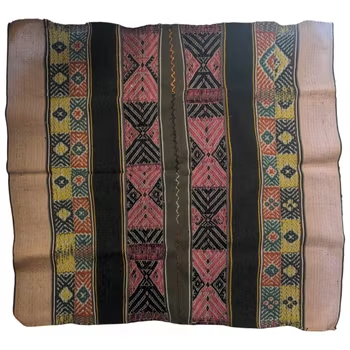
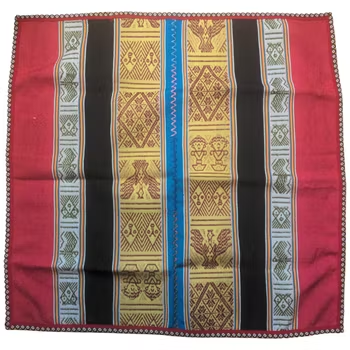
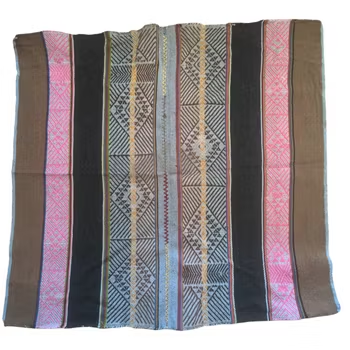
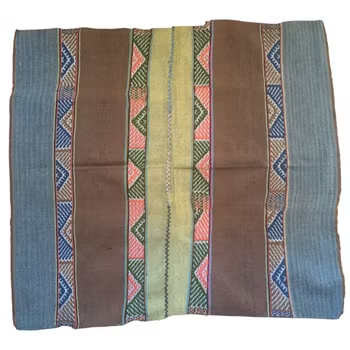
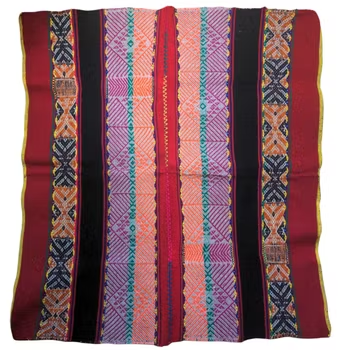
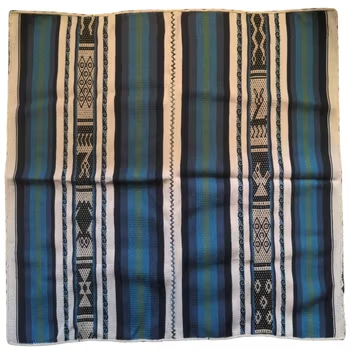
Here we collect mesa fabrics – textiles that are traditionally used as a base in ceremonial contexts.
Traditionally, the mesa fabric is used together with an inner fabric and is surrounded by a mesa band/watana that keeps the contents together.
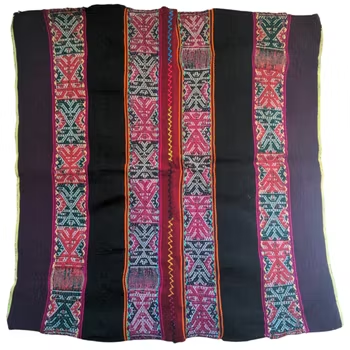
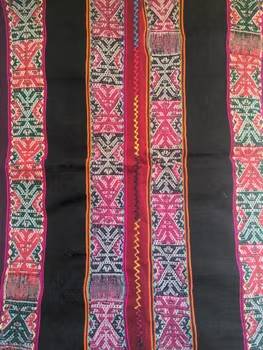
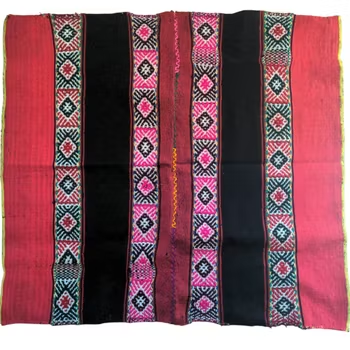
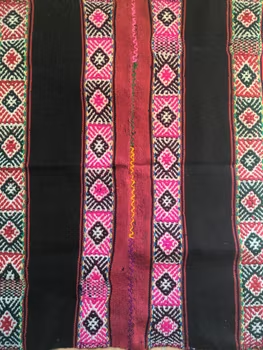
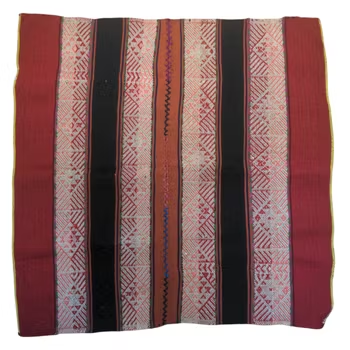
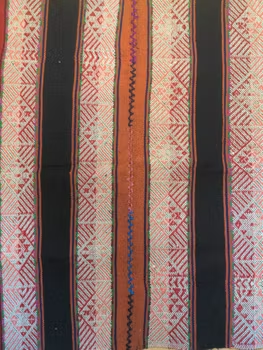
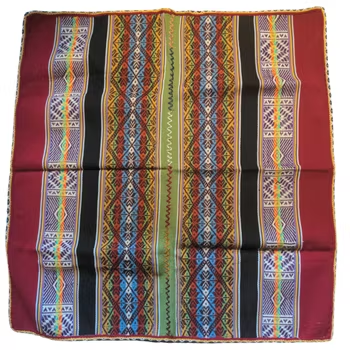
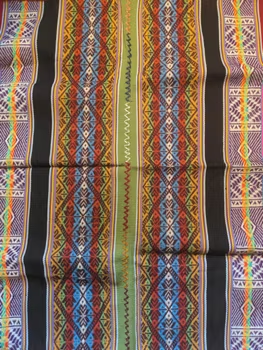
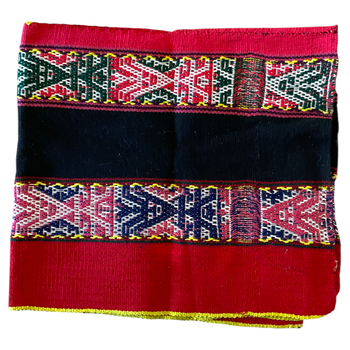
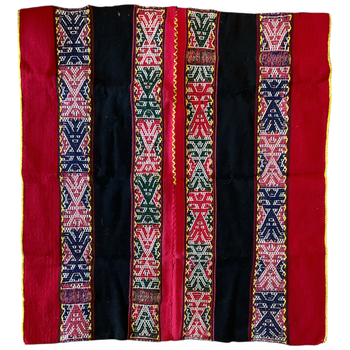
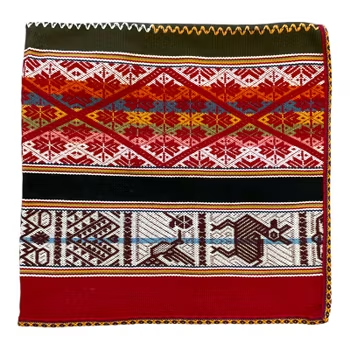
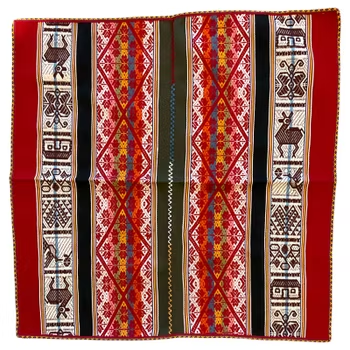
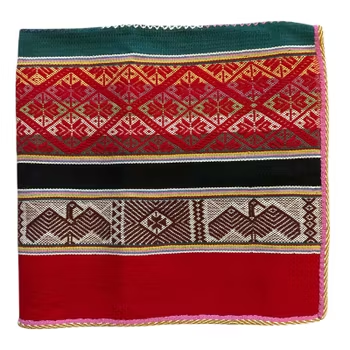
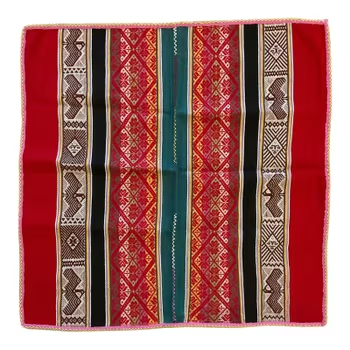
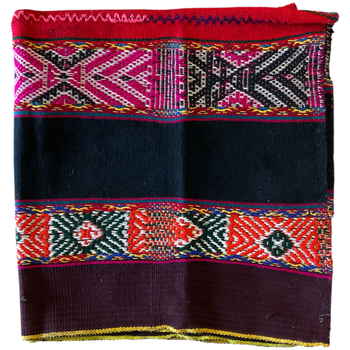
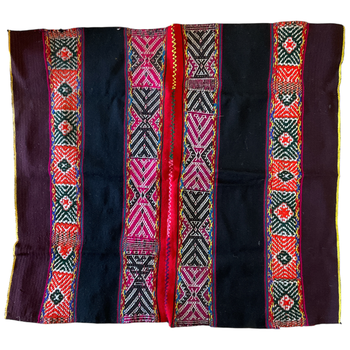
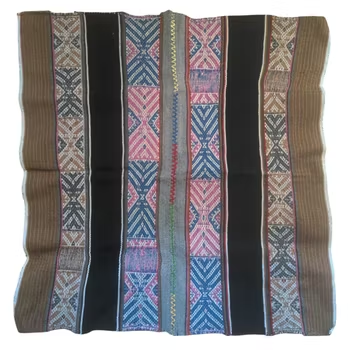
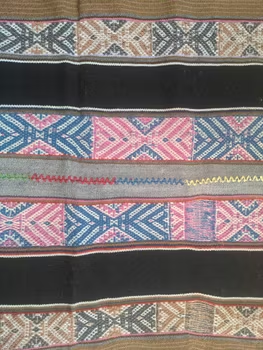
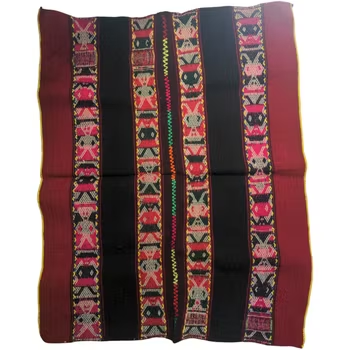
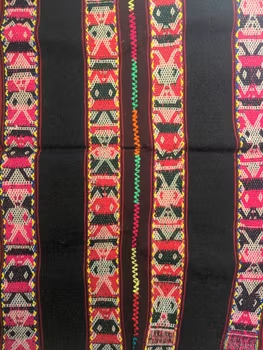
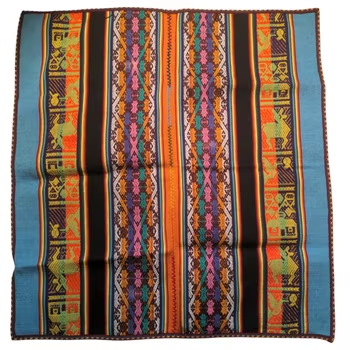
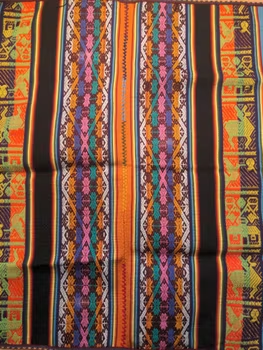
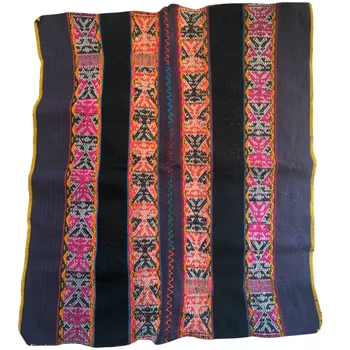
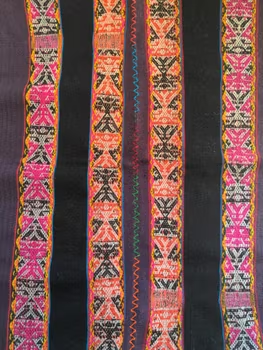
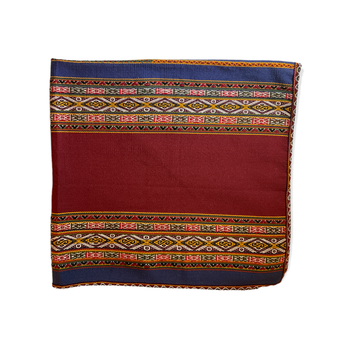
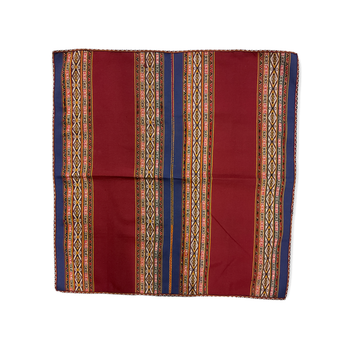
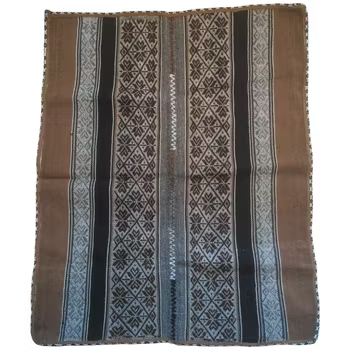
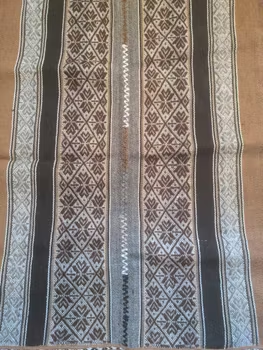
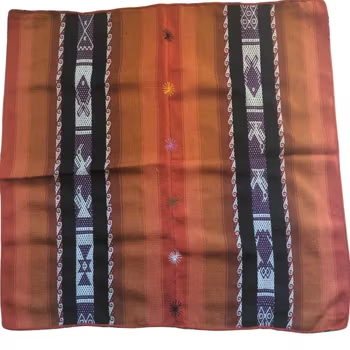
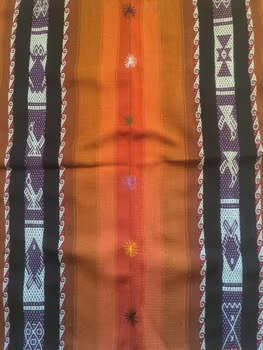
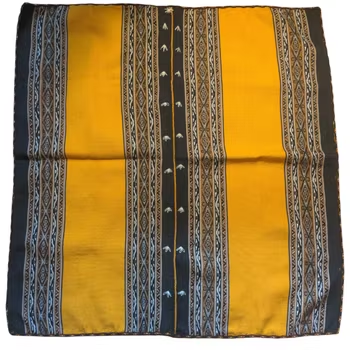
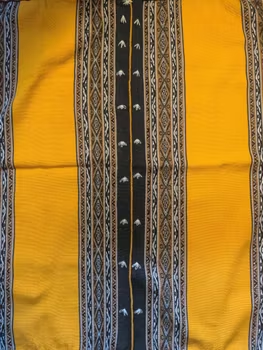
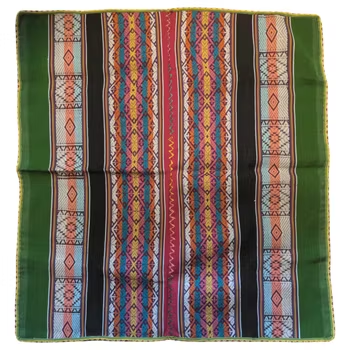
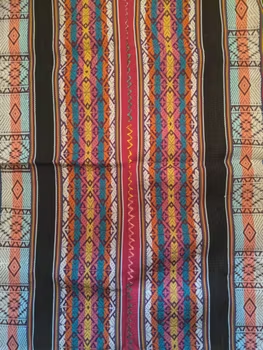
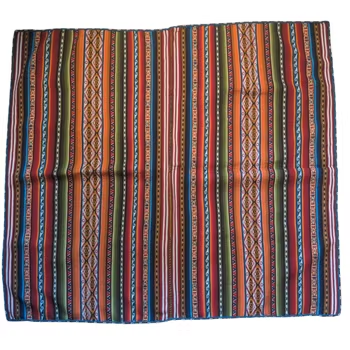
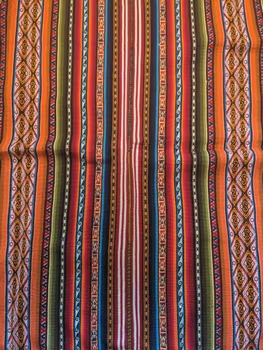
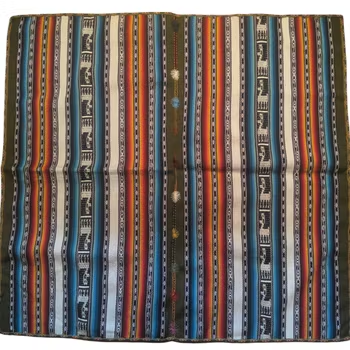
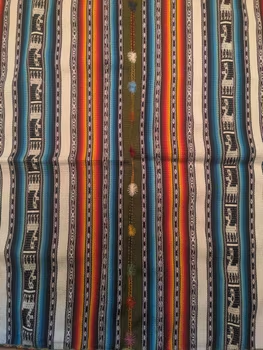
A mesa cloth is a traditional textile used as a base for a mesa – a collection of objects used in ceremonial contexts or personal practice. In Andean traditions, the mesa cloth functions as a place where objects are gathered with intention, order, and presence.
Table cloths are often used to collect power objects, khuyas, stones, herbs and other objects that have a special meaning to the practitioner. Many also use them as altar cloths or as a beautiful base for objects used in meditation, nature work or ceremony.
The word mesa actually means "table" in Spanish, but within several Andean traditions the word is used to describe a collection of objects that carry personal, symbolic or ceremonial meaning.
What a mesa looks like varies between people and traditions. For some it contains khuyas, stones and herbs. For others it may contain objects that remind them of relationships, life experiences or important intentions.
Traditionally, the mesa fabric is used together with an inner fabric and a mesa band, sometimes called watana, which keeps the contents together.
The mesa cloth serves both as protection for the objects and as a place where they can be arranged and used in ceremonial contexts.
Many people use their mesa fabrics for:
Power items and khuyas
Stones and crystals
Herbs and incense
The altar
Ceremonies
Meditation and reflection
There is no right or wrong way to use a mesa fabric. How it is used is often shaped by one's own practice and relationship to the objects.
Our mesa fabrics come from Q'ero, Chinchero and Ausangate in the Andes of Peru, areas where weaving is still a living part of culture and everyday life.
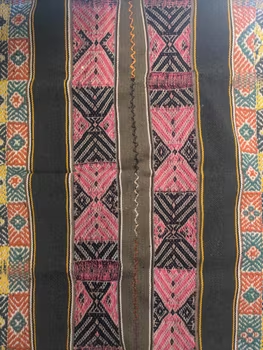
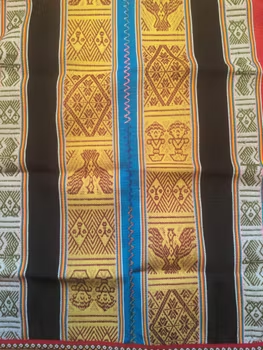
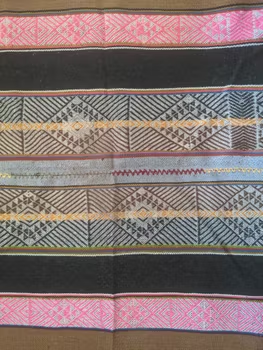
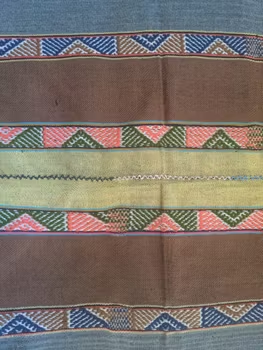
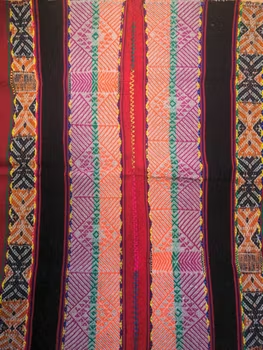
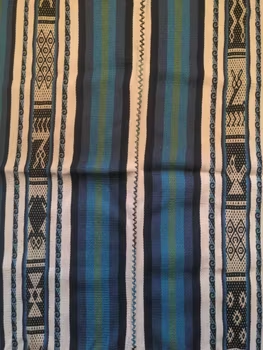
Many of the fabrics are hand-woven by skilled artisans who pass on knowledge, patterns and techniques between generations. Depending on the origin, colors, patterns and details may differ. Chinchero is known for its colorful weaves and characteristic fringes, while Q'ero and Ausangate carry their own expressions and traditions.
Each mesa fabric is unique and bears traces of the craftsmanship, place and tradition behind its creation.
Our mesa fabrics come from Q'ero, Chinchero and Ausangate in the Andes of Peru. Each area has its own weaving traditions, colors and patterns that give the fabrics their unique expression.
Mesa cloths are traditionally used to collect power objects, khuyas, stones, herbs, and other items that are part of a mesa. They are also used as altar cloths and ceremonial mats.
Mesa fabrics are used by many different people. They are found in Andean traditions and are used by paqos, shamans, ceremony leaders, practitioners of energy medicine, and people who work with nature relationships, meditation, and personal ceremonies.
To preserve colors and fibers, we recommend gentle handling. If necessary, the fabric can be hand washed gently in cold water with a mild detergent. Avoid harsh chemicals and high heat. Let the fabric dry flat.
Yes. Because the fabrics are woven by hand, there are natural variations in color, pattern, and detail. This makes each mesa fabric unique.
Yes. Many people use table cloths as altar cloths, both in ceremonial contexts and as part of a conscious space in the home.