Svenska
 Deutsch





Cart
Your cart is empty, but doesn't have to be..
Your cart is empty, but doesn't have to be..
Incenses
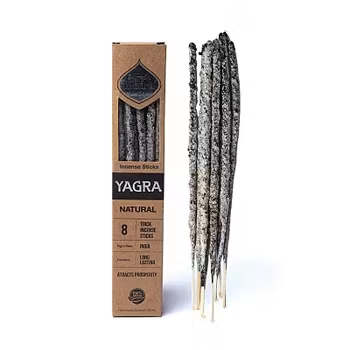
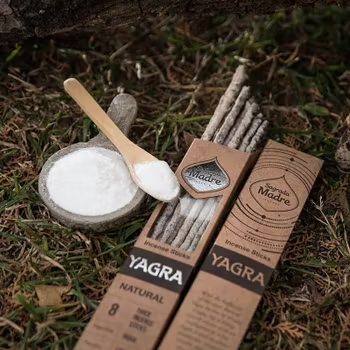
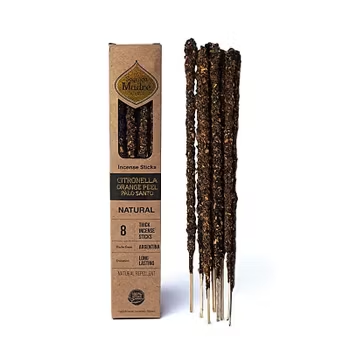
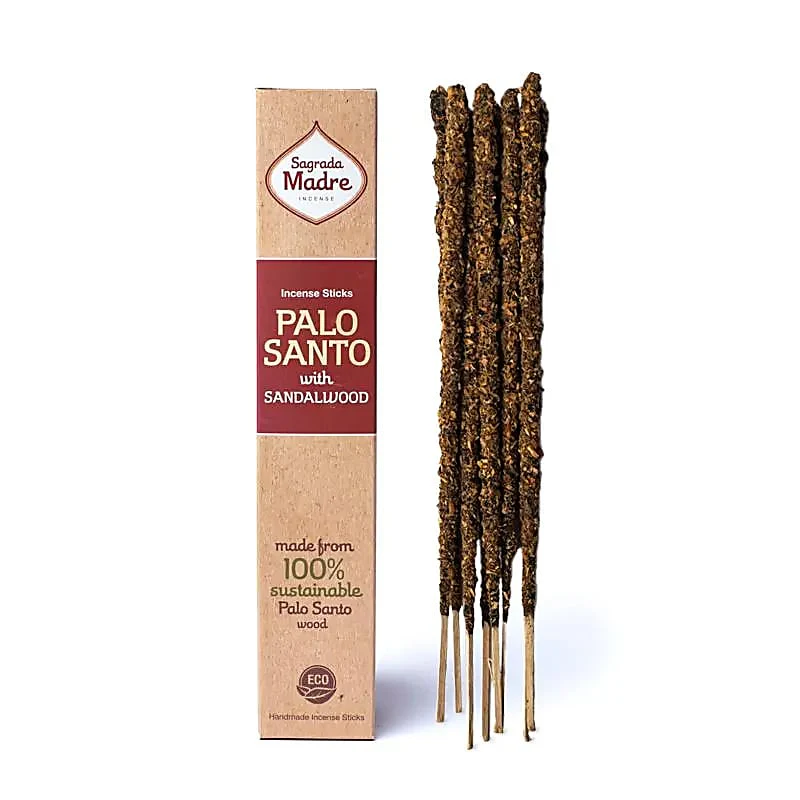
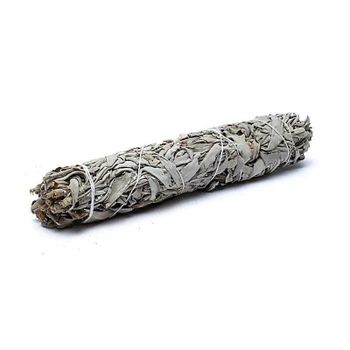
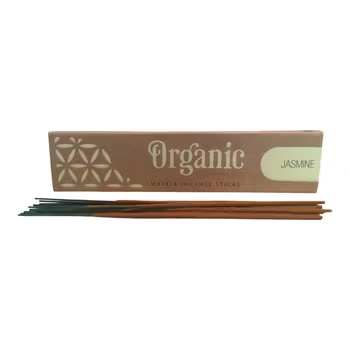
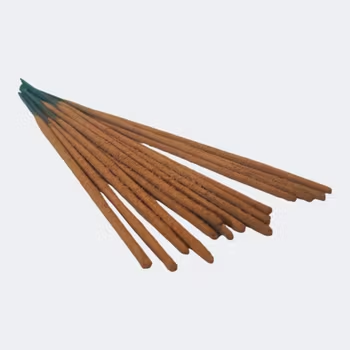
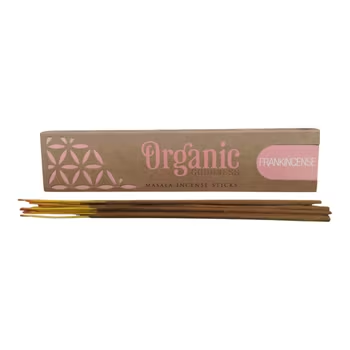
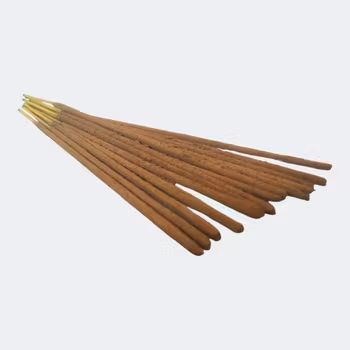
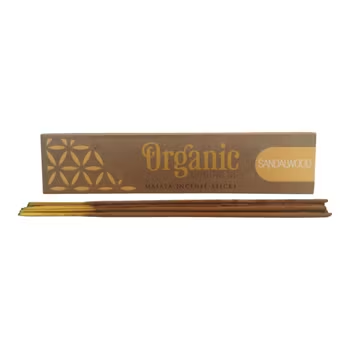
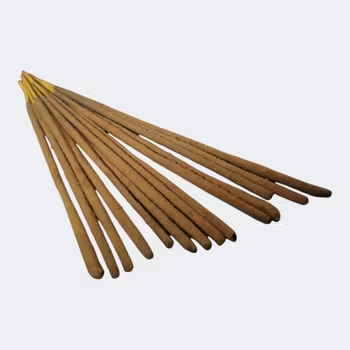
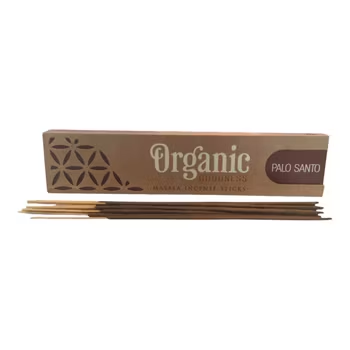
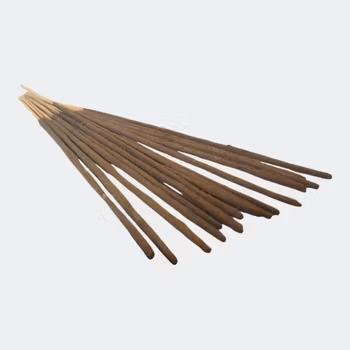
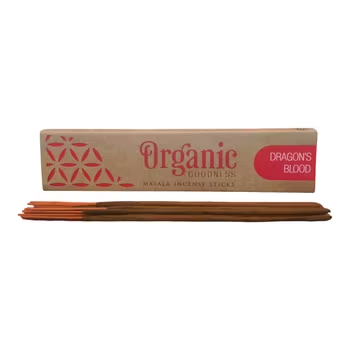
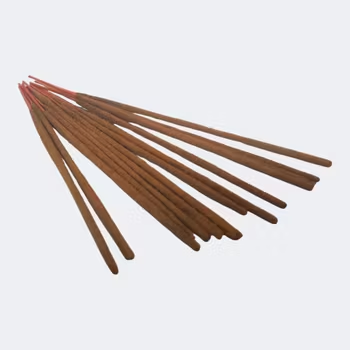
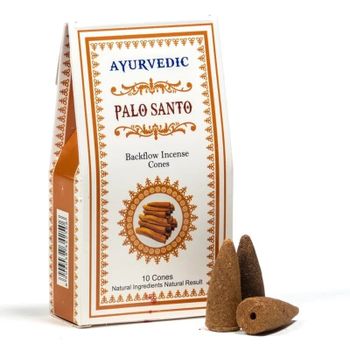
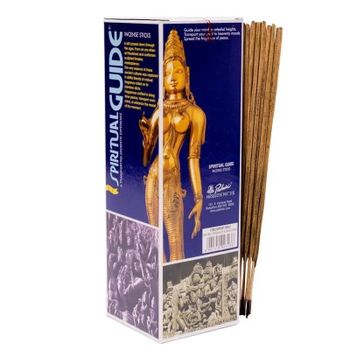
Here we collect products that are used through smoke – for example white sage, palo santo and incense sticks.
They are used in rooms, on objects or as part of personal routines and ceremonial contexts.
Shapes, scents and uses vary between products and traditions. We describe them as practical tools without defining a specific method.
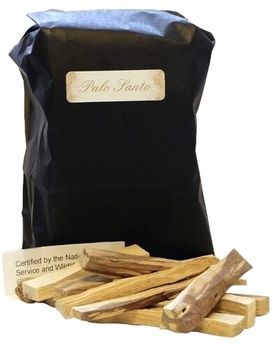






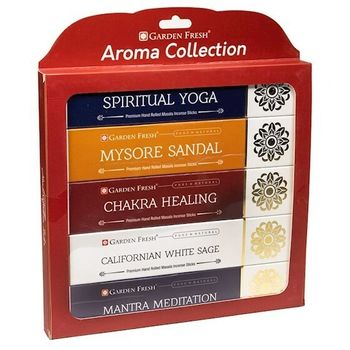
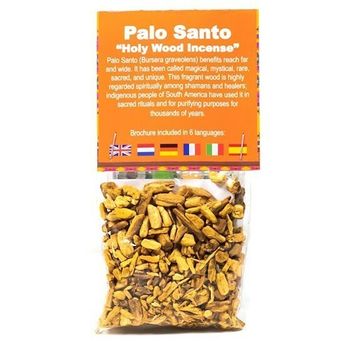
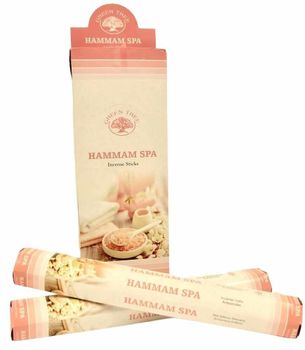
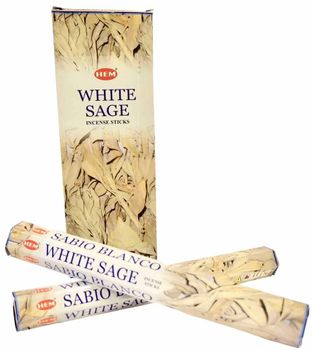
Incense has been used in various parts of the world for a long time as a way to create fragrance, presence and a special atmosphere in a room. Today, incense is used in many different contexts – from everyday moments in the home to meditation, ceremonies and personal rituals.
At Inkashop you will find a carefully selected range of natural incenses with a focus on quality, tradition and natural ingredients.
Incense is used in many different ways depending on tradition and personal preference.
Common uses are:
To create a pleasant scent in the home
As part of meditation or reflection
Before ceremonies and rituals
To mark transitions between everyday life and stillness
To create a sense of presence and focus
How incense is used varies between different people and traditions. There is no right or wrong way to use it.
In many parts of the world, people have used plants, woods, and herbs as gifts of smoke. By allowing the scent to spread throughout a room, a special atmosphere is created that can be used for reflection, ceremony, or to mark the transition between different activities.
In North America, white sage has long been used in traditions where smoke is used for purification and preparation. In South America, Palo Santo has had a similar role in many contexts where scent, ceremony, and presence meet.
Both white sage and Palo Santo are valued by many for their cleansing and uplifting qualities, but their uses vary between different traditions, practitioners, and contexts.
In the Nordic countries too, there is a long history of plants being used as gifts of smoke. Juniper, spruce, pine, hornbeam and wormwood are examples of plants that have appeared in local traditions where people have sought contact with the place, the seasons and the nature around them.
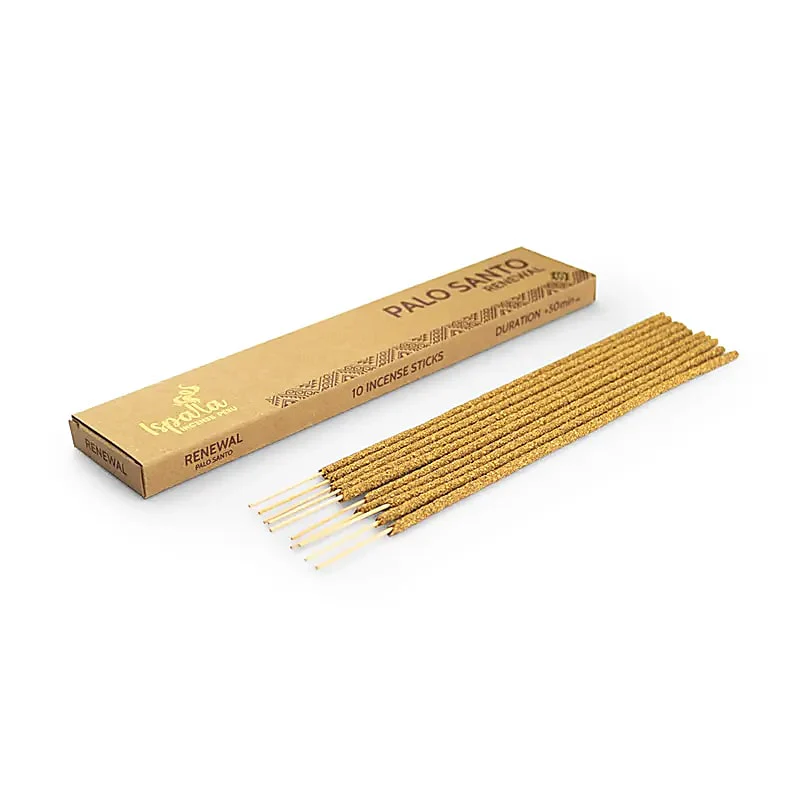
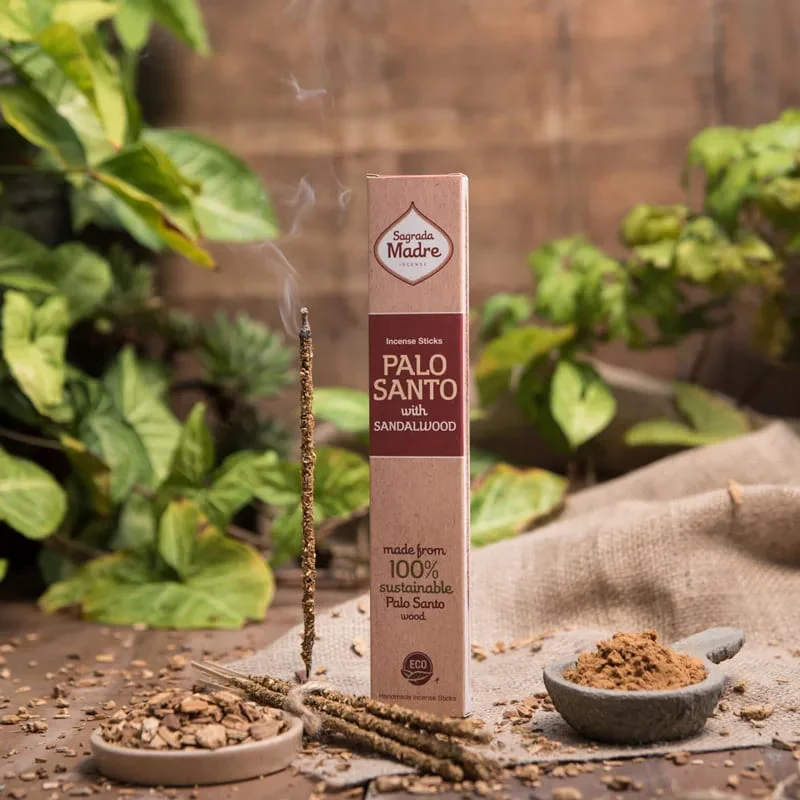
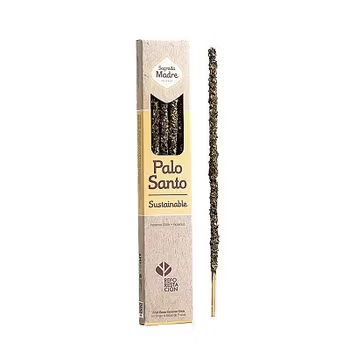
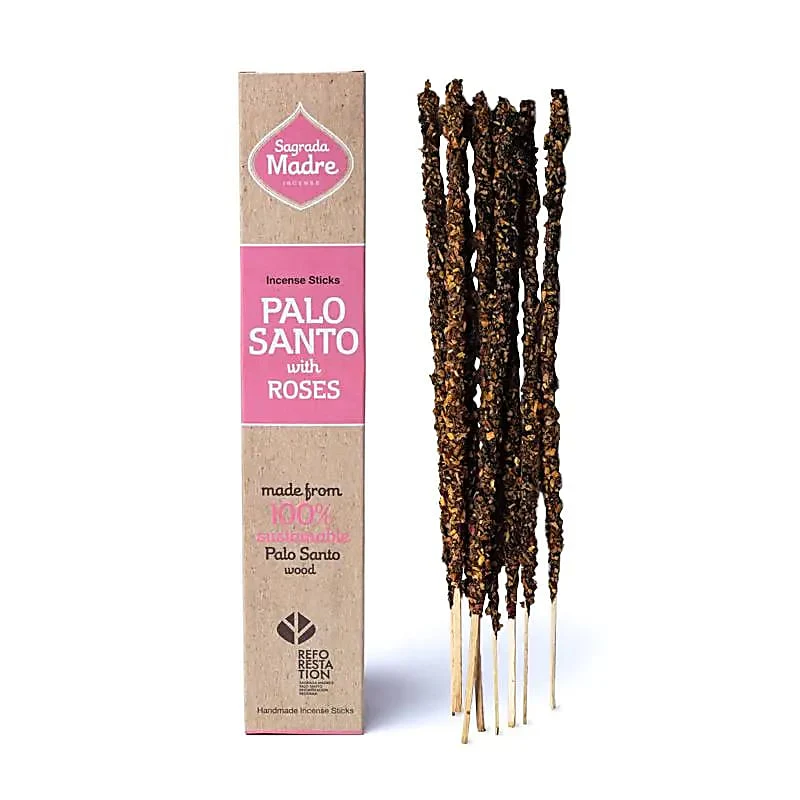
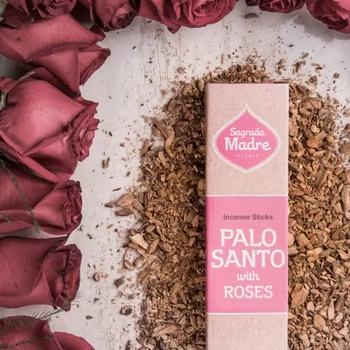
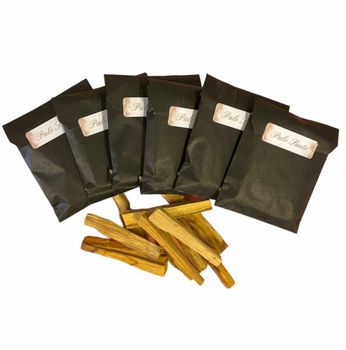
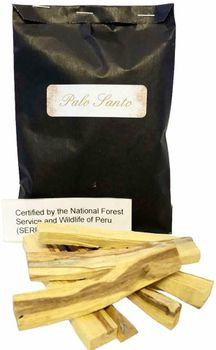
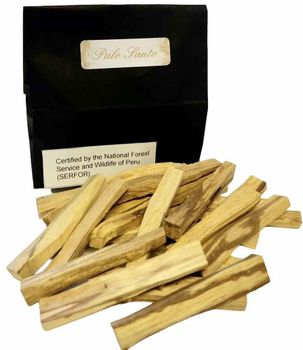
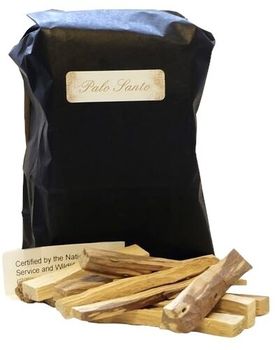
Palo Santo means "holy wood" and comes from South America. The wood has a warm, soft and slightly citrus-like scent that is appreciated by many.
Palo Santo is often used in the home, before meditation or as part of ceremonies where scent and intention play an important role.
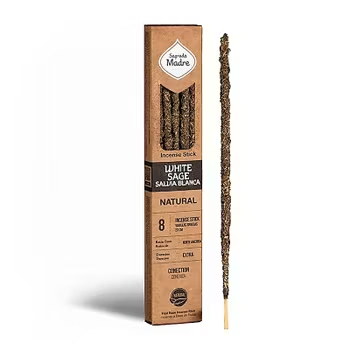
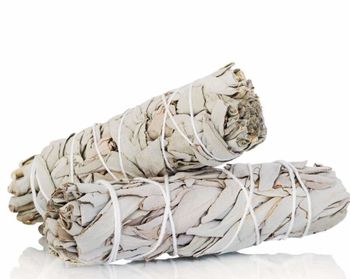
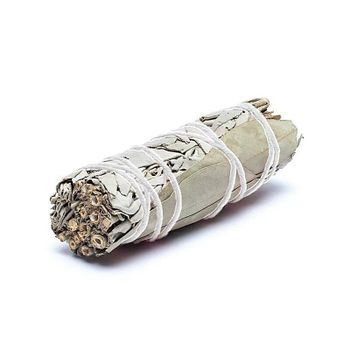
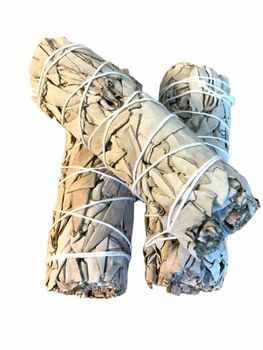
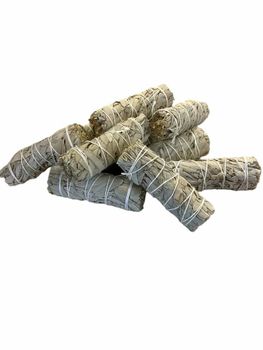
White sage has long been used in North America in traditions where plants and smoke play an important role in ceremonial contexts.
Many people appreciate white sage for its characteristic scent and use it at home, during meditation or in connection with personal rituals.
We prioritize incense made from natural ingredients such as woods, herbs, flowers, resins and essential oils.
Natural incenses often provide a softer and more nuanced scent experience than synthetically perfumed alternatives and allow the natural character of the ingredients to shine through.
It mainly depends on what scent you like. Palo Santo has a warm and woody character while white sage has a more herbaceous and powerful scent. Incense sticks come in many different scent profiles.
We strive to offer incense with natural ingredients and clear information about content and origin.
Yes. Many people use incense as part of their daily routine to create a pleasant atmosphere in their home.
Remember to always use incense safely and to air it occasionally, especially during prolonged use or in smaller spaces.
Palo Santo is an aromatic wood from South America, while white sage is a plant with roots in traditions from North America.
They have different scent profiles and are used in different cultural and ceremonial contexts where smoke, scent and intention play an important role. Palo Santo often has a warm, woody and slightly citrusy scent while white sage has a more herbaceous and powerful character.
Smudging is an English word often used for ceremonies where herbs or plants are burned and the smoke is used as part of a traditional practice.
In many traditions, smudging is used to cleanse a home, place, or person of what is perceived as heavy, stagnant, or unwanted energy. How this is performed and understood varies between different cultures and traditions.
Yes. Many people use incense to create focus, presence, and a clear transition between everyday activities and moments of reflection, meditation, or ceremony.